 Disease Modifying Anti-Rheumatic Drugs (DMARDs) are the only drugs demonstrated to modify the course of the rheumatoid arthritis and improve radiologic findings. There are 2 types of DMARDs: biologic and syntethic small molecules. Among the biologic DMARDs are tumor necrosis factor alpha (TNF-a) inhibitors; T-cell costimulatory blocking agents and B-cell depleting agents
Showing posts with label animation. Show all posts
Showing posts with label animation. Show all posts
Novel Treatments for Rheumatoid Arthritis
Disease Modifying Anti-Rheumatic Drugs (DMARDs) are the only drugs demonstrated to modify the course of the rheumatoid arthritis and improve radiologic findings. There are 2 types of DMARDs: biologic and syntethic small molecules. Among the biologic DMARDs are tumor necrosis factor alpha (TNF-a) inhibitors; T-cell costimulatory blocking agents and B-cell depleting agentsShoulder Anatomy Animated Tutorial

Laparoscopic Lysis of Abdominal Adhesions


Tuberculosis and Hypervascularity video - Animation by Cal Shipley, M.D.
 Infection of the lung by the tubercle bacillus with subsequent
inflammation and hypervascularity in the lungs. Formation of
hypervascular adhesions between the chest wall and lungs.
Infection of the lung by the tubercle bacillus with subsequent
inflammation and hypervascularity in the lungs. Formation of
hypervascular adhesions between the chest wall and lungs.
Inguinal hernia

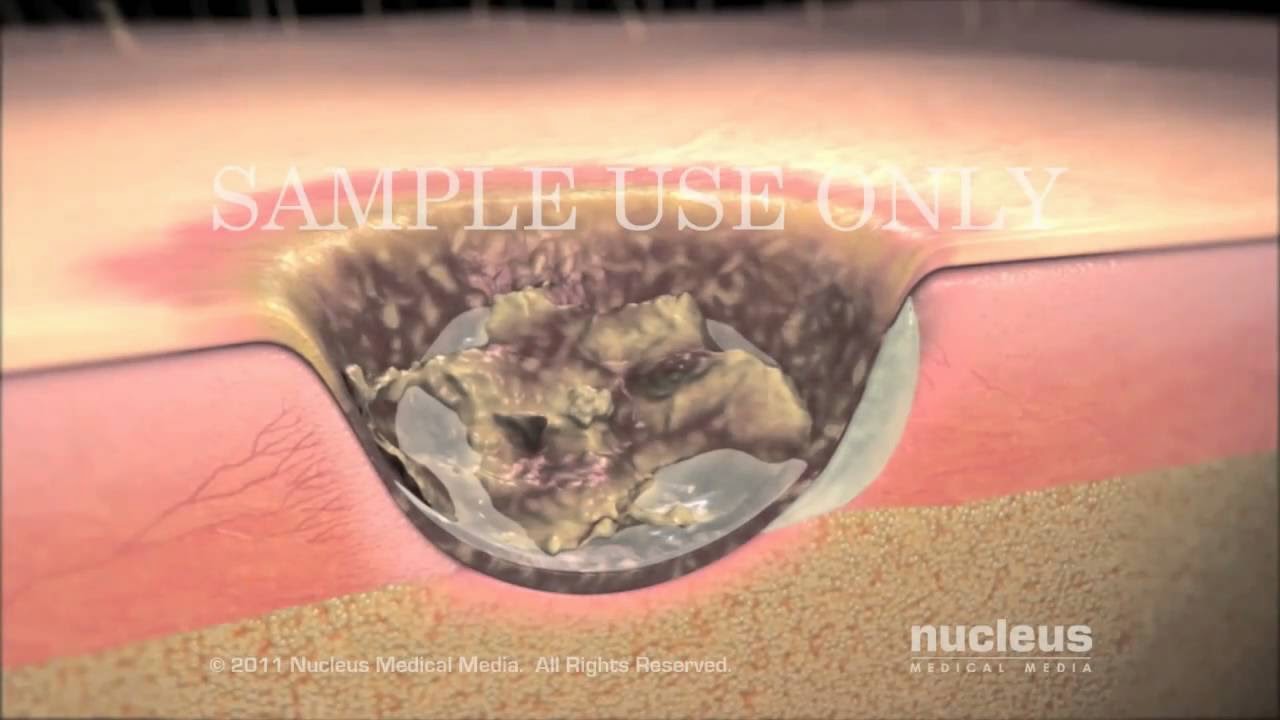
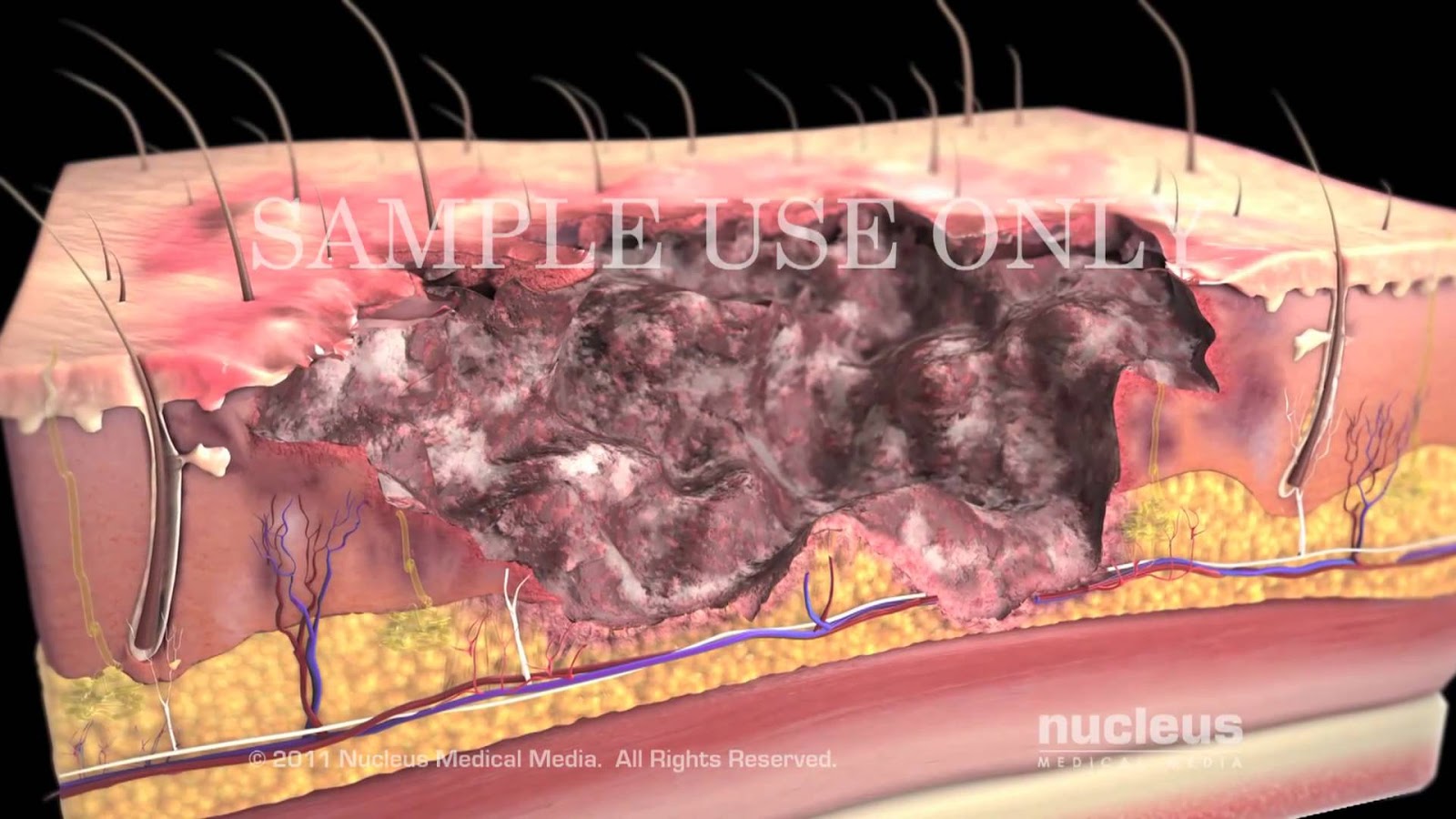
Surgical debridement
Burns: Classification and Treatment
Subscribe to:
Posts (Atom)